Pricing
HOW MUCH DOES IT COST TO BUILD A WEBSITE?
Read further for some ballpark cost estimates on website design, maintenance, web hosting, website re-designing, online marketing services and more.
Contact Us
Business Website Cost
It can be hard for business owners to obtain an accurate quote to have a website created, particularly since very few firms post their rates online.
Why?
Because the website creation cost depends on the project, i.e. what you want and need. But our web design and development also want to have a 1-on-1 with potential clients so that we can show their value and build rapport (even if they are more expensive).
Small Business Website
$2,000 to $8,000
This is for a basic informational website with very little customization needed. Usually less than 10 pages, with a couple of stock photos, and no unique functionality. Upfront rates: $2,000 to $8,000.
Medium-Sized Business Website
$10,000 to $25,000
Mostly for commercial websites with no more than 25 pages, content management system (CMS) enabled, custom design layouts and imagery, and some unique functionality set up by developers. Upfront rates: $10,000 to $25,000.
Ecommerce Website
$5,000 to $40,000
A website where customers can browse and purchase products; integration of a payment gateway is necessary, as is imagery, copy-writing, a CMS, and beta testing. Upfront cost: $5,000 to $40,000 (determined by the amount of products featured, and their intricacy).
Large Business Website
$25,000 to $40,000
A large scale website with several hundred pages, custom design layouts and imagery, a content management system, unique functionality, and supplementary features (such as personalized development, blog integration, multimedia creation, and more). Upfront cost: $25,000 to $40,000.
ESSENTIAL EXPENSES
The monthly or annual fees you can expect to pay, and what those costs cover.
Several costs that come with running a website are necessary. Here are some of the unavoidable expenses you can expect to pay when having a new website developed.
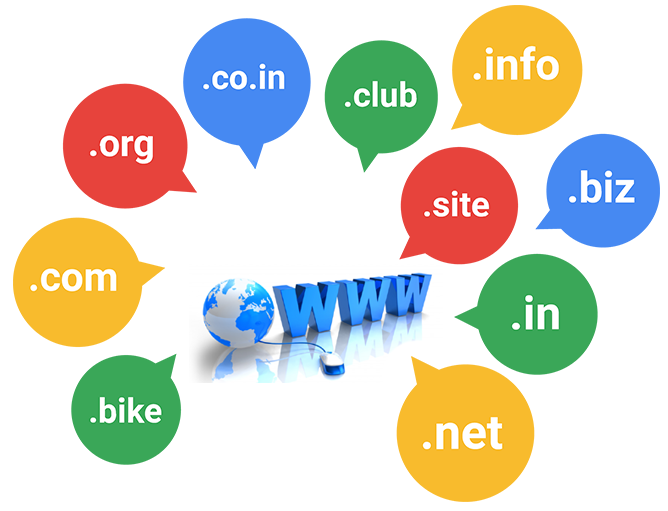
1. Domain Name
Why you need it:
Without one, the only way to visit your site would be to type in its IP address.
What it’ll cost:
sually between $10 and $20. For a customized domain extension (such as .restaurant, .online, etc.), you can expect to pay premium rates as high as $200 and $300 per year, depending on your choice.
How often you’ll pay for it:
Annually, unless you prepay for multiple years in advance.

2. SSL Certificate
Why you need it:
SSL (secure socket layer) certificates encrypt sensitive data like credit card numbers and personal information.
What it’ll cost:
SSL certificates are issued by certification authorities (CA’s) and range from $10 a month to as high as $1000 a month.
How often you’ll pay for it:
Annually, unless you prepay for multiple years in advance.

3. Website Hosting
Why you need it:
Purchasing a domain name is likened to acquiring land: you’ll have an address, but you’ll need something there to contain all your stuff. In this example, web hosting is your land, and web content is your “stuff”.
What it’ll cost:
Most web hosting companies offer shared hosting plans that range from around $10 a month to as high as $99 a month for managed hosting. The more traffic your website gets, and the more features you add to your site, the higher your price will be.
How often you’ll pay for it:
Many web hosts offer monthly and annual plans. The cheaper rate is obtained by paying for a yearly hosting plan.

4. Content Management System
Why you need it:
A CMS, or content management system, is what you use to display text, pictures, videos, articles, etc., on your website.
While a CMS isn’t mandatory, having one will save you time, and make your website much more efficient.
What it’ll cost:
Depending on the CMS you choose, you could be looking at thousands of dollars for a customized one, or pay nothing using popular ones like WordPress.
How often you’ll pay for it:
Enterprise CMS systems that charge fees are usually billed annually. WordPress is free of charge.

5. Web Design Expenses
To make your website aesthetically pleasing, you’ll need to have it designed professionally.
Full Redesign or New Design
Why you need it:
If you’re launching a new website, or your existing one needs a makeover, you’ll need to spend some money to have it designed (or redesigned) and tested.
What it’ll cost:
The costs to redesign a site range from approximately $1,000 to $20,000, depending on what kind of website you’re running, what CMS you’re using, and how much customization is desired.
How often you should get one:
To keep things fresh and modern, all websites should get a refreshment every few years or so.
Theme Design
Why you need it:
Some content management systems, especially WordPress, provide themes that allow you to change the look and format of your website instantaneously. This may be very convenient, but it also makes our layout similar to others who are using the same theme.
What it’ll cost:
Most public themes are free. Premium WordPress themes can cost between $10 and $100, depending on its features. You’ll get varied rates to have an exclusive license to the theme, or to have it personally customized.
How often you’ll pay:
Your theme should be changed every few years or so. If you’re using a free theme, you needn’t worry about such costs.
Responsive Web Design (RWD)
Why you need it:
Responsive websites can detect which platform the website is being used on, and can tailor the layout for screen size purposes.
What it’ll cost:
Most websites designed today are already responsive. Upgrading an older theme or website, however, could cost you as much as $2,000 to do.
How often you should get one:
Getting your website to be response is a one-time task.
6. Online Marketting
SEO & Content
By this We’ll turn visitors into customers, increase your online traffic, and raise your ranking on search engines like Google.
Search Engine Optimization (SEO)
Why you need it:
SEO is a series of tasks that ultimately determine where your website ranks on search engines for a particular keyword.
The idea is that your website should be the one people see high above others if a search for your specialty is queried.
How much you’ll pay:
SEO costs vary per agency, but it is one of the more pricier expenses of anything related running a website.
You can expect to pay an upfront cost (likely between $3,000 and $9,000), in addition to a monthly maintenance fee (approximately $200 to $500 per month, on average). The bigger your company, the higher you can expect costs to be.
How often you’ll pay:
SEO is an ongoing battle, it’s never a one-time thing.
Pay-Per-Click (PPC) Advertising
Why you need it:
You’ll find PPC ads on the sidebar of Google search engine result pages, the bottom of YouTube videos, and on banners and footers on many websites. They are found everywhere, as publishers obtain a commission anytime an ad is clicked.
How much you’ll pay:
The costs depend on how much competition you have in the area you are targeting. Prices can range from $100 per month to $1,000 per month, and higher.
How often you’ll pay:
You can pay for PPC ads for as long as you want to.
Conversion Rate Optimization (CRO)
Why you need it:
Conversion rate optimization can increase website conversions with call-to-action (CTA) tactics like landing pages, newsletters, sign-up sheets, buttons, and other options.
How much you’ll pay:
A single A/B test package for CRO generally ranges from $300 to $600.
How often you’ll pay:
You might want to pay for a complete package to test out various CRO methods, or pay for each test individually. Cheaper costs come with packages.
Copywriting
Why you need it:
Content to be written for web pages requires copywriting.
Strong copywriting is a call to action into itself, as it encourages potential clients to see you as a leader in your field.
How much you’ll pay:
Costs can range from $5 per 500 words to $500
How often you’ll pay:
Search engines favor websites that produce updated content on a consistent basis, especially those with minimal errors and a substantial amount of text. As such, copywriting expenses should be budgeted monthly, and should be spent on a competent writer.
Content Marketing
Why you should create content:
Such content can be delivered through blogs, videos, social media imagery, charts, demonstrations, infographics, white pages, podcasts and other forms of multimedia.
How much you’ll pay:
Every form of content marketing differs, but none of it is cheap. Infographics can cost at least $500 to produce a single graphic, while video production can reach rates of $3,000 to $5,000.
How often you’ll pay:
Content should be produced on a regular basis, so whatever form you choose, set aside a monthly budget for it.
Social Media
Why you need it:
Social media is a great platform for you to creatively promote your business, without selling to anyone. You can showcase what you have to offer in fun and creative ways, perhaps through humorous memes, video footage, statistical infographics or even a simple message.
How much you’ll pay:
Monthly maintenance and updates could cost between $250 per month to $2,500, depending on the agency you use.
How often you’ll pay:
Social media marketing is an ongoing project, so a monthly fee should be budgeted for it. If you choose to run contests on social media, prize expenses should also be factored in.